Generator Neutral Grounding Resistor By Orionresistors
Writer: admin Time:2026-02-05 15:54:58 Browse:208℃
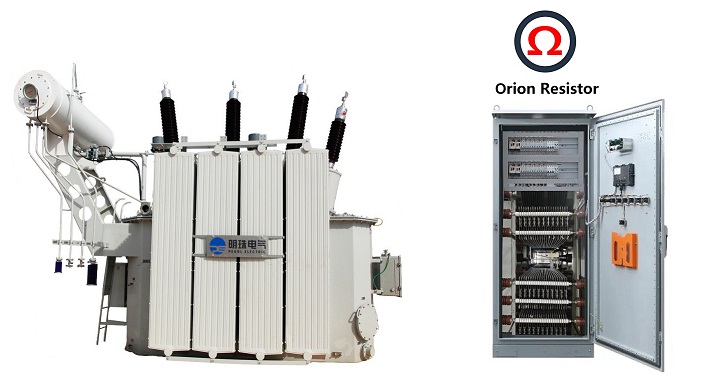
Generator Neutral Grounding Resistor (NGRs) are crucial components in electrical power systems, designed to manage the flow of fault current and maintain system stability. They are used to limit ground fault currents, protect equipment, and enhance safety in generator installations. By controlling the electrical behavior of a generator’s neutral point, NGRs help prevent damage, reduce downtime, and ensure reliable operation of power systems.
Function and Working Principle
The primary function of a generator neutral grounding resistor is to connect the generator’s neutral point to ground through a controlled resistance. During a ground fault, the resistor limits the fault current to a safe level, preventing excessive stress on the generator, transformers, and other connected equipment. This controlled approach reduces the risk of electrical hazards, equipment damage, and system instability while maintaining continuous power supply.
Components of a Neutral Grounding Resistor
A neutral grounding resistor typically consists of a resistive element, insulation, terminal connections, and a protective enclosure. The resistive element is designed to carry fault current for a short duration without overheating. Insulation ensures electrical isolation, while terminals provide secure connections to the generator and grounding system. The enclosure protects the resistor from environmental factors and mechanical damage, ensuring long-term reliability in industrial and utility applications.
Types of Neutral Grounding Resistors
Neutral grounding resistors come in various designs to suit different generator configurations and applications. Some resistors are air-cooled, while others are oil-cooled for high-power applications. Fixed resistors provide a constant resistance value, whereas adjustable resistors allow fine-tuning of fault current levels. The choice of resistor depends on generator size, system voltage, fault current requirements, and environmental conditions.
Applications in Electrical Systems
Generator neutral grounding resistors are widely used in power generation plants, industrial facilities, and commercial installations. They protect generators, transformers, and distribution equipment from damage caused by ground faults. NGRs are essential in systems where continuity of service is critical, such as hospitals, data centers, and manufacturing plants. Their use ensures safety for personnel and helps maintain operational efficiency.
Installation and Maintenance
Proper installation and maintenance of neutral grounding resistors are vital for their effective performance. The resistor should be securely mounted, connected with appropriate conductors, and grounded according to electrical codes and manufacturer guidelines. Regular inspections include checking for physical damage, corrosion, and temperature variations during operation. Maintenance ensures the resistor remains functional and reliable over its service life.
Technological Advancements
Modern generator neutral grounding resistors incorporate advancements in materials and cooling techniques. High-quality resistive alloys, improved insulation, and advanced enclosures enhance durability, performance, and safety. Monitoring systems and sensors can be integrated to track temperature and current levels, enabling proactive maintenance and reducing the risk of unexpected failures.
Conclusion
Generator neutral grounding resistors are essential for the safe and reliable operation of electrical power systems. By limiting ground fault currents and protecting equipment, they play a key role in maintaining stability, reducing damage, and ensuring continuous service. Advanced designs, proper installation, and regular maintenance make NGRs a critical component in industrial, commercial, and utility generator systems.
CATEGORIES
- Neutral Grounding Resistor for Transformer
- Generator Neutral Grounding Resistor
- Low Voltage Neutral Grounding Resistor
- Neutral Grounding Arc Suppression Coils (Peterson Coil)
- Neutral Point Gap Grounding Protection Device
- Nitrogen Injection Fire Protection System for Transformer (NIFPS)
- Transformer Air-Cooled Control Equipment
- Nonlinear Neutral Grounding Equipment
LATEST NEWS
- Why Does the Neutral Point of a Large Generator Need to be Reliably Grounded?
- Transformer Neutral Grounding Methods and Applications for High-, Medium-, and Low-Voltage Systems
- How to Accurately Calculate the Neutral Grounding Resistance Value of a Transformer
- Global Top 8 Neutral Grounding Resistor (NGR)Manufacturers
- How to Accurately Select the Insulation Level of a Neutral Grounding Resistor?
CONTACT US
WhatsApp:
Tel: +86-312-5959618
Email: info@orionresistors.com
Add: No. 79, Fuchang Road, Zhongguancun Entrepreneurship Base, Baoding City,China